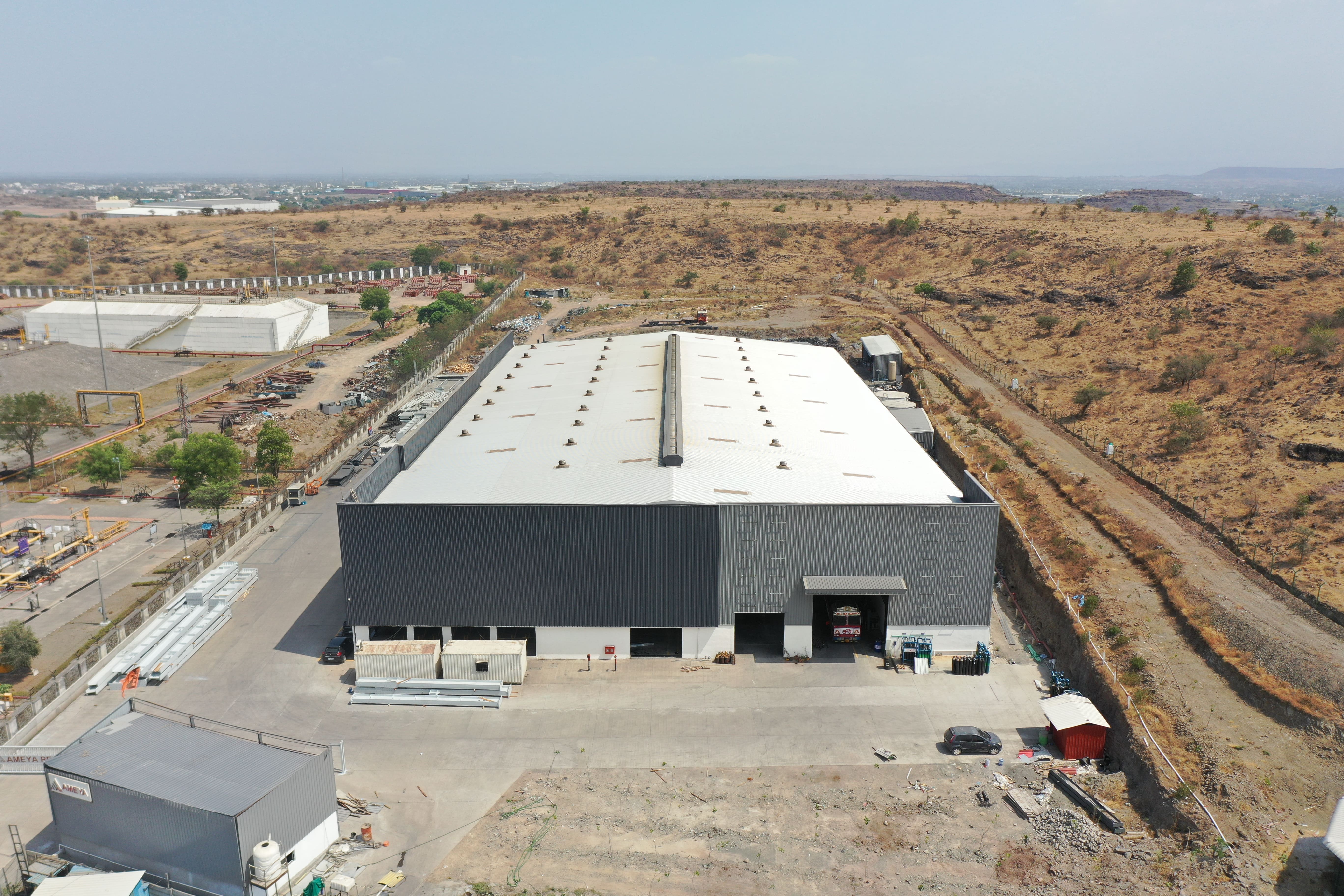
Pre-Engineered Building (PEB) systems and conventional construction represent two fundamentally different approaches to building design and execution. As India’s infrastructure sector continues to expand rapidly, understanding these differences is essential for builders, engineers, and project stakeholders aiming to make efficient and cost-effective decisions.
Below is a comprehensive comparison of PEB systems and conventional buildings across key technical and practical parameters.
1. Design and Engineering Flexibility
PEB Systems:
PEB structures are designed using advanced engineering software, where components are pre-calculated and optimized before fabrication. Each element is engineered to function as part of an integrated system, ensuring efficient load distribution and minimal material usage. While PEBs follow a modular approach, they still offer a significant degree of customization in terms of layout, span, height, and applications.
Conventional Buildings:
Traditional construction allows for complete design freedom, as every structure is developed from the ground up based on project-specific requirements. This enables complex architectural features and unique layouts. However, this flexibility comes at the cost of longer design cycles, extensive calculations, and often higher engineering complexity.
2. Construction Time
PEB Systems:
Speed is one of the most significant advantages of PEB construction. Structural components are prefabricated in a controlled factory environment and then assembled on-site. This reduces dependency on site conditions and enables project completion up to 30–50% faster than conventional methods. The reduced construction time is especially beneficial for time-sensitive industrial and commercial projects.
Conventional Buildings:
Construction is carried out entirely on-site, involving processes such as formwork, reinforcement placement, and concrete pouring. These steps are labour-intensive and heavily influenced by weather conditions and workforce availability. As a result, project timelines are typically longer and more prone to delays.
3. Material Efficiency and Structural Weight
PEB Systems:
PEBs utilise optimised steel sections, including hot-rolled and cold-formed components, designed specifically for load requirements. Steel grades such as IS 2062 E250 and E350 are commonly used to achieve high strength-to-weight ratios. This precision engineering reduces material wastage and results in lighter structures, which in turn lowers foundation costs.
Conventional Buildings:
These structures rely heavily on reinforced concrete and standard steel sections. Due to less optimisation, material usage is often higher, leading to heavier structures. The increased weight demands stronger and deeper foundations, adding to overall project costs.
4. Cost Considerations
PEB Systems:
PEBs are generally more cost-effective due to standardisation, reduced material waste, and lower labour requirements. Factory-controlled fabrication ensures budget predictability, while shorter construction timelines contribute to additional savings.
Conventional Buildings:
Although initial material costs may seem lower, the extended construction period and higher labour dependency often increase the total project cost. Custom designs and complex structures can further escalate expenses.
5. Quality Control and Construction Accuracy
PEB Systems:
All components are manufactured under strict factory conditions with rigorous quality checks. This ensures high precision, consistency, and adherence to design specifications. On-site assembly is streamlined, reducing the likelihood of errors.
Conventional Buildings:
Quality control depends largely on on-site supervision and workmanship. Variations in labour skill, environmental conditions, and material handling can affect consistency, making it more challenging to maintain uniform quality throughout the project.
6. Structural Durability and Maintenance
PEB Systems:
PEBs are constructed using high-grade steel that offers excellent durability and resistance to environmental factors. These structures are designed to accommodate thermal expansion and contraction, making them suitable for diverse climatic conditions across India. They also require relatively low maintenance and are resistant to issues such as termite damage and cracking.
Conventional Buildings:
Reinforced concrete structures are durable and fire-resistant but may face long-term issues such as cracking, spalling, and corrosion of reinforcement—especially in humid or coastal environments. Maintenance requirements can increase over time, particularly for ageing structures.
7. Sustainability and Recyclability
PEB Systems:
Steel used in PEB construction is highly recyclable, making it an environmentally responsible choice. The precision of prefabrication minimises construction waste and supports sustainable building practices aligned with modern green standards.
Conventional Buildings:
While concrete can be recycled to some extent, the process is less efficient and more energy-intensive compared to steel. Conventional construction methods also tend to generate higher on-site waste, contributing to a larger environmental footprint.
Conclusion: Making the Right Choice
Both PEB systems and conventional construction methods have their own advantages, and the ideal choice depends on the specific requirements of the project.
PEB systems are best suited for projects that demand speed, cost efficiency, and material optimisation—such as industrial facilities, warehouses, and commercial structures. On the other hand, conventional construction remains relevant for projects requiring intricate architectural designs and maximum design flexibility.
Understanding these differences allows project stakeholders to choose a construction approach that aligns with their goals, budget, and timeline.
Looking for efficient and reliable PEB solutions? Ameya Industries delivers high-quality, customised building systems designed for performance, durability, and speed.